
Cost Segregation for Build-to-Rent Communities
Aug 11, 2026Build-to-rent communities are changing how investors think about residential rental property. These properties may look like neighborhoods, but from an ownership perspective, they often operate more like professionally managed residential communities. That matters because the depreciable assets are not limited to the homes themselves. Roads, sidewalks, fencing, lighting, amenity areas, landscaping, signage, utilities, and shared facilities can all become part of the engineering story. A cost segregation study helps investors understand what they own, how the property functions, and how assets should be classified for depreciation.
Wondering how much tax you could save with cost segregation? Let’s find out. Schedule a Cost Segregation Strategy Call today.
Key Takeaways
- Build-to-rent communities are operating communities, not just collections of houses.
- Engineering analysis separates homes, site improvements, amenities, and support assets.
- Asset classification can improve cash flow and long-term ownership planning.
- BTR communities often include meaningful 15-year land improvements.
- Better documentation helps owners manage acquisitions, construction, and future CapEx.
- A financial example shows how infrastructure can affect depreciable basis.
- The real value is understanding the full community, not just the residential units.
What Is Build-to-Rent Cost Segregation?
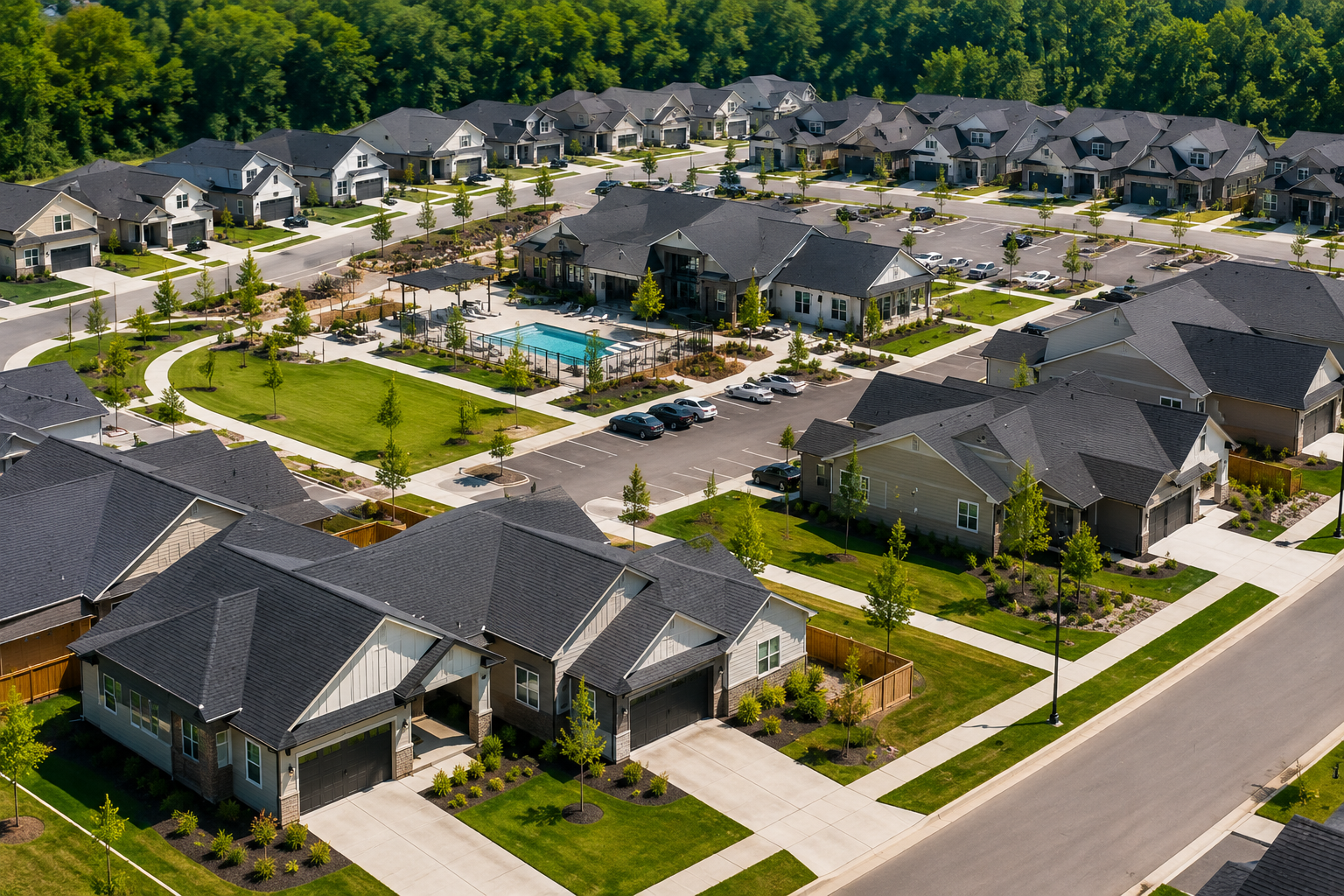
Build-to-rent cost segregation is the engineering-based analysis of a residential rental community built specifically for long-term rental ownership. These communities may include detached homes, duplex-style homes, townhomes, cottages, or other residential layouts that are owned and managed as one income-producing property.
A familiar example is the Avilla Homes model, where detached rental homes function as one operating residential community rather than separate for-sale houses. That example helps investors picture the asset type without making the brand the point of the discussion. The cost segregation issue is broader: a build-to-rent property is not just a group of homes. It is a residential operating environment with infrastructure, amenities, site improvements, and management systems that support the community.
The homes themselves are generally evaluated as 27.5-year residential rental property. Other assets may require separate analysis. Site improvements may include 15-year land improvements, while certain furniture, fixtures, equipment, or dedicated assets may qualify as 5-year property based on function, installation, documentation, and established tax treatment.
This is where engineering matters. Cost segregation is not about applying a percentage to the purchase price. It is about identifying the assets that exist and understanding what each asset supports. That is why CostSegRx treats the property as a commercial real estate business, even when the product being rented is residential housing.
How Engineers Analyze a Build-to-Rent Community
A build-to-rent study begins with the same question engineers ask on every property: what does this asset support?
The answer can vary across the community. A house supports residential occupancy. A clubhouse may support leasing, management, recreation, or resident services. Site lighting may support roads, sidewalks, parking, or recreation areas. Fencing may serve security, privacy, traffic control, or site definition. Landscaping may relate to depreciable improvements in some cases, while other land-related costs may remain non-depreciable depending on the facts.
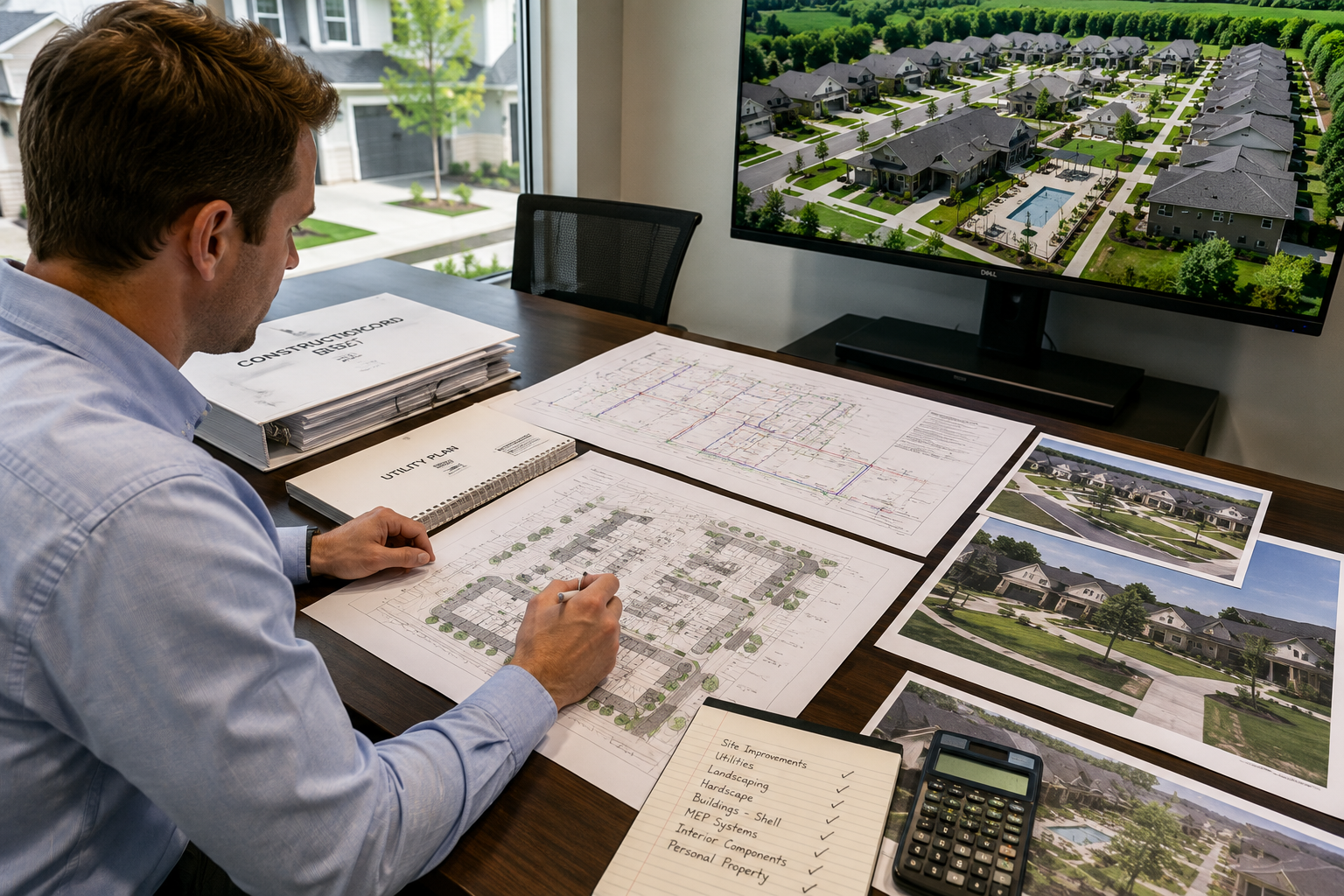
Engineers review site plans, civil drawings, architectural drawings, utility plans, electrical plans, landscaping plans, construction cost records, purchase documents, photographs, and owner information. They look for assets such as roads, curbs, sidewalks, parking areas, storm drainage, fencing, gates, monument signs, mail kiosks, pools, playgrounds, dog parks, site lighting, irrigation, amenity furniture, leasing office assets, and clubhouse equipment.
The goal is not to force assets into favorable classes. The goal is to classify each asset based on its function and support. That is the same engineering mindset explained in how engineers perform cost segregation. The property tells a story through its infrastructure, and the engineer’s job is to read that story correctly.
Why Build-to-Rent Cost Segregation Matters
Build-to-rent investors often focus on rent growth, occupancy, construction cost, absorption, and long-term neighborhood performance. Those are critical investment metrics, but they do not tell the full depreciation story. The engineering inventory can reveal how much capital is tied up in the assets that make the community function.
That matters because BTR communities are often land improvement heavy. Unlike a single apartment building, a rental home community may spread value across roads, sidewalks, site lighting, fencing, drainage, landscaping, signage, and amenity areas. Many of these assets are not inside the homes, but they may still be essential to the rental operation.
A quality study can support accelerated depreciation where appropriate, but it also helps owners understand replacement planning. If roads are resurfaced, fencing is replaced, lighting is upgraded, or amenities are renovated, the owner already has a clearer asset history. Cost segregation becomes a depreciation tool and an ownership tool.
It also helps reduce guesswork. Investors should not assume that every exterior asset receives the same treatment or that every system automatically qualifies for one depreciation class. Classification depends on engineering facts. That is why the distinction between §1245 property and §1250 property is so important.
Where Cost Segregation Applies in BTR Communities
Build-to-rent communities often include several asset categories that need separate review.
The homes are usually the largest visible component. These generally include foundations, framing, roofs, walls, general plumbing, general electrical, standard HVAC, windows, doors, and other building components associated with 27.5-year residential rental property.
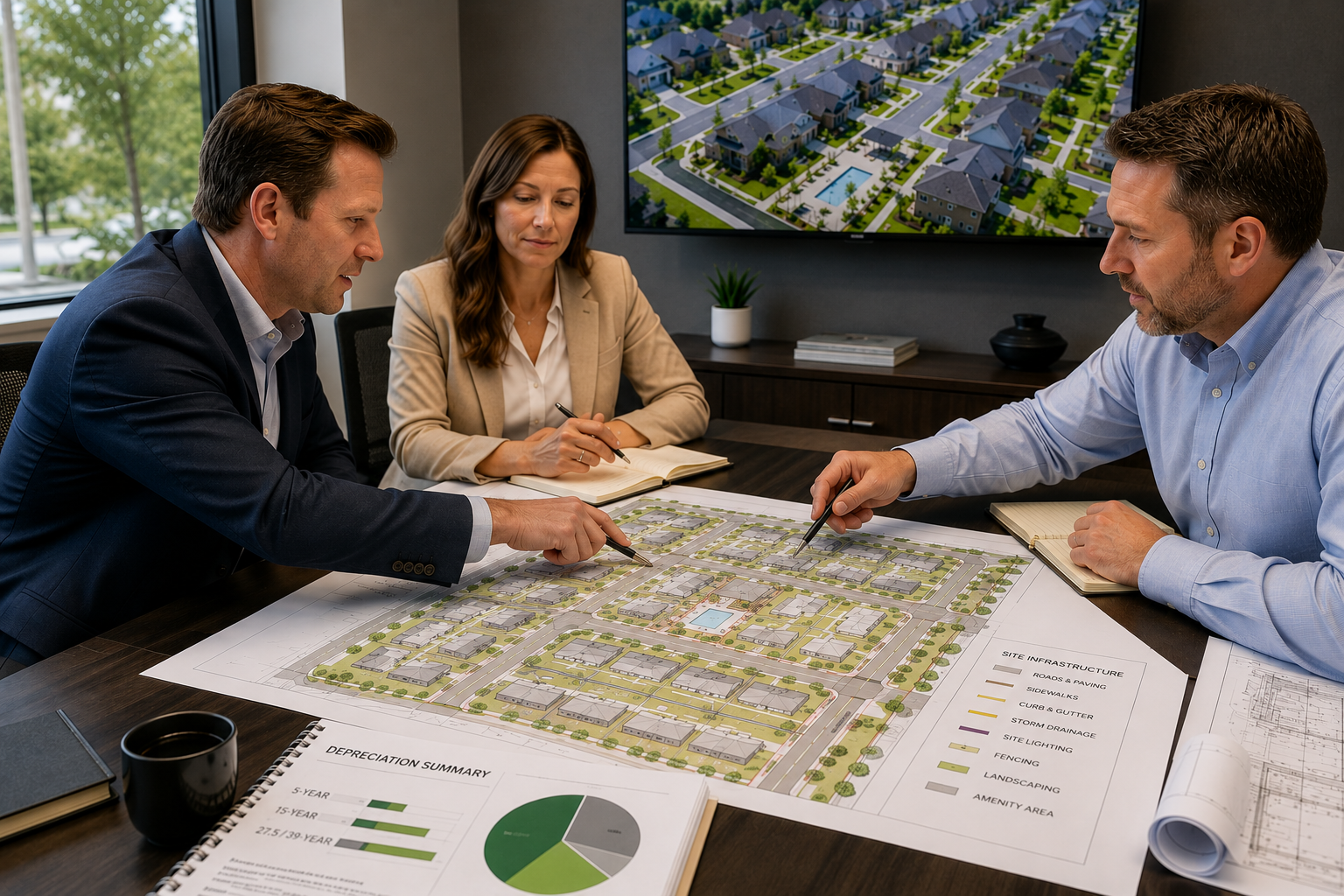
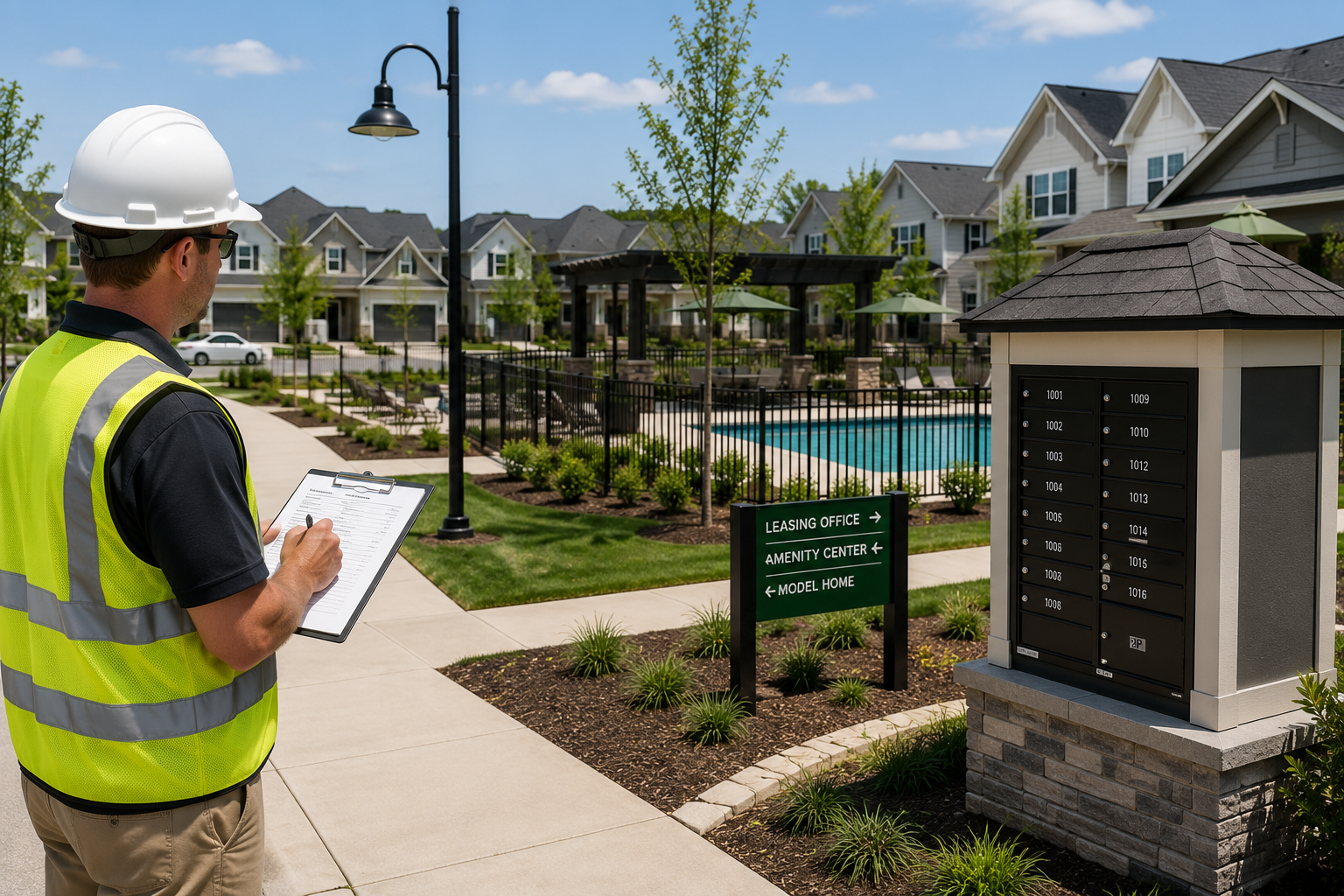
The site infrastructure may be more significant than investors first realize. Roads, sidewalks, curbs, parking areas, fencing, storm drainage, site lighting, and certain landscaping may fall into 15-year land improvements depending on the facts. In many BTR projects, these assets are essential because the property operates as a full community, not a single building.
Amenity areas also matter. Pools, dog parks, playgrounds, outdoor seating areas, grilling areas, fitness rooms, leasing offices, clubhouses, package rooms, and mail areas may contain a mix of building components, 15-year land improvements, and 5-year property. The classification depends on the asset, not the room or area where it appears.
This is why build-to-rent communities share some planning similarities with other infrastructure-heavy residential assets. Investors familiar with mobile home park cost segregation will recognize the importance of utility infrastructure, pads, roads, site improvements, and ownership documentation, even though the property type is different.
Strategy for Long-Term BTR Owners
The best time to think about cost segregation is before the asset history becomes hard to reconstruct.
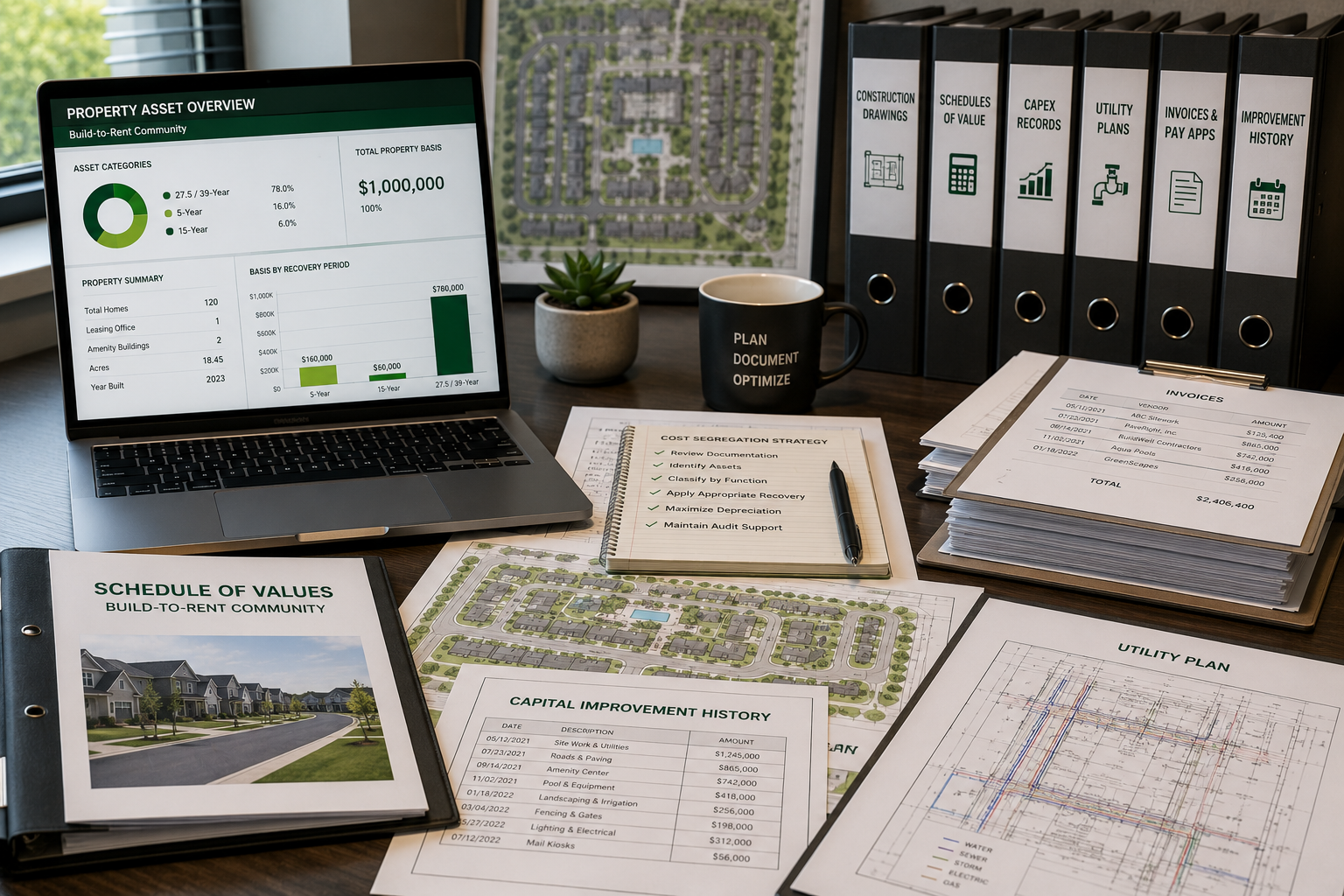
For new construction, owners should preserve civil drawings, site plans, construction draws, contractor schedules of value, change orders, invoices, utility plans, and amenity specifications. These records help engineers connect costs to physical assets. When documentation is clear, the study can usually be more precise.
For acquisitions, investors should gather closing statements, appraisals, property condition reports, site maps, rent rolls, improvement records, and available construction documents. Even if the prior owner does not provide perfect records, a field inspection and engineering cost estimate approach can still help identify and value the assets.
Long-term owners should also track CapEx after acquisition. Replacing a pool deck, resurfacing roads, adding gates, upgrading site lighting, installing new dog park equipment, or renovating a clubhouse can all affect the property’s depreciation history. The owner who documents improvements as they happen is in a stronger position than the owner who tries to recreate five years of work from bank statements.
The strategy is simple: manage the community like an operating business. Track the assets that support the residents, the rental income, and the ownership plan. For properties with significant roads, fencing, landscaping, and site systems, land improvement heavy cost segregation can be especially important.
Financial Example: Infrastructure Changes the Story
Illustrative example only. Figures shown are estimated for demonstrative purposes only. Actual land allocations, asset classifications, depreciation, and tax results depend on the specific property, supporting documentation, engineering analysis, and taxpayer circumstances.
Assume an investor acquires a build-to-rent community for $18,000,000. For demonstrative purposes, assume $3,000,000 is allocated to land, leaving $15,000,000 of depreciable basis.
Without an engineering study, the investor may treat most of the depreciable basis as 27.5-year residential rental property. That approach may overlook the value of roads, sidewalks, fencing, site lighting, landscaping, amenity areas, signage, pool assets, clubhouse furniture, leasing office equipment, and other distinct assets.
With an engineering-based cost segregation study, the depreciable basis may be separated into more accurate asset groups. The homes and residential building components may remain 27.5-year residential rental property. Certain exterior assets may be classified as 15-year land improvements. Certain furniture, fixtures, equipment, and dedicated assets may be classified as 5-year property.
The value is not just the first-year tax result. The investor now has a better engineering inventory of the community. If the owner later replaces fencing, resurfaces roads, renovates the clubhouse, or upgrades amenity areas, the prior asset classification can help support cleaner CapEx tracking and better long-term planning.
Closing: Build-to-Rent Is More Than the Homes
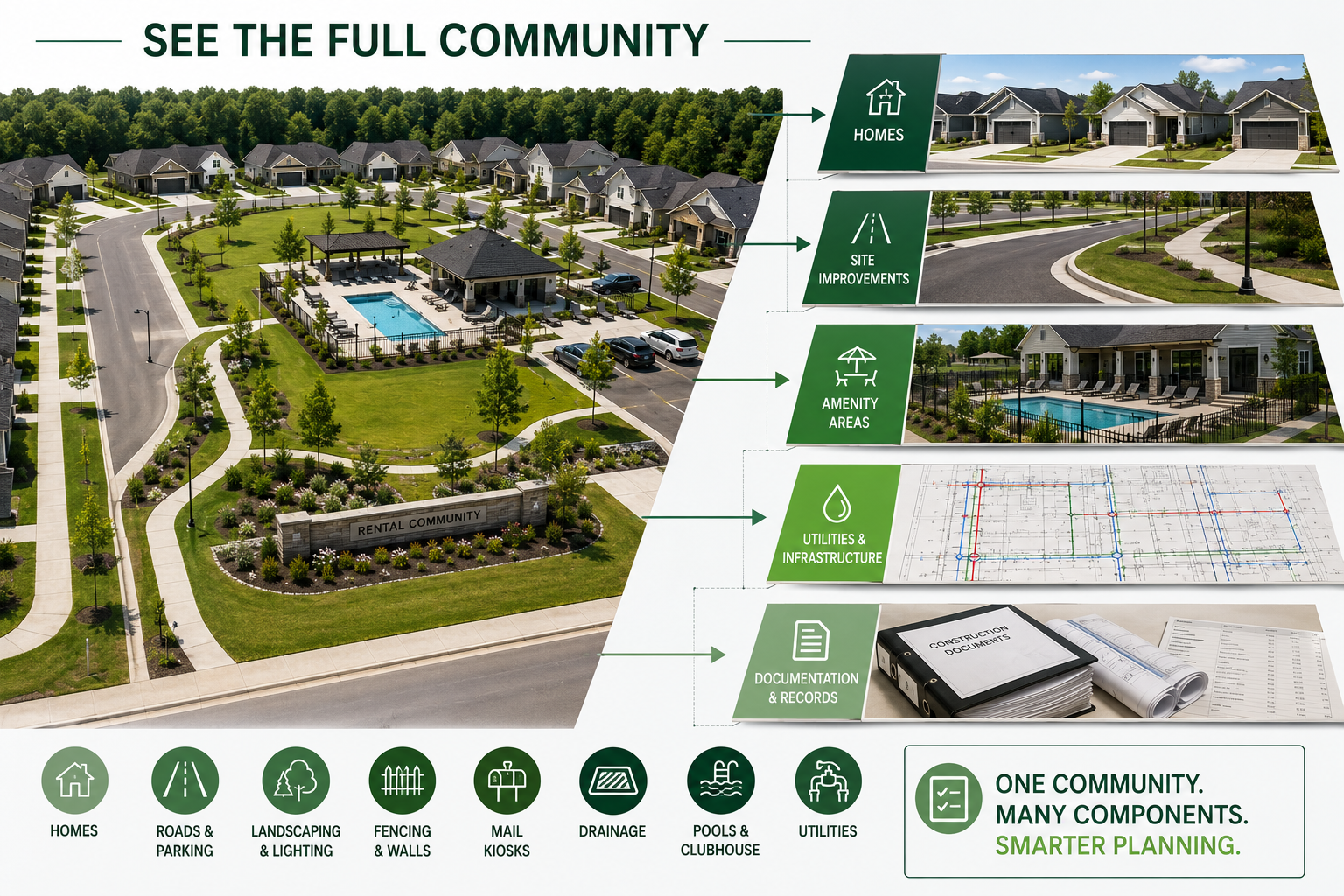
Build-to-rent communities can look simple from the street. Homes, roads, landscaping, fences, and amenities blend into one residential environment. Engineering separates that environment into the assets that make it work.
That distinction matters. The homes may be the center of the investment, but the surrounding infrastructure often supports the resident experience, the rental operation, and the long-term value of the community. A cost segregation study helps investors see the full property, not just the units.
For build-to-rent owners, the real lesson is straightforward: classify the assets, document the infrastructure, and manage the community like the operating business it is.
Do you have a question about Cost Segregation?
Let us know how we can help
Your information is secure. We only use your details to answer your direct inquiry.