
Your Investment Property Is a Business. Start Managing It Like One.
Jul 30, 2026Most people would never buy a business and ignore its accounting, maintenance, operating costs, equipment, taxes, and long-term planning.
Yet many investors buy a commercial property and unknowingly treat it like a stock certificate. They collect rent, pay the bills, and hope appreciation takes care of the rest.
An investment property is different. It is not simply real estate. It is a business operating inside real estate.
Every decision you make affects the financial health of that business. Revenue, expenses, maintenance, capital improvements, engineering documentation, depreciation, and long-term planning all work together to determine how successful the investment becomes.
Key Takeaways
- See why investment property should be managed like a business
- Understand how successful owners manage assets instead of buildings
- Learn why depreciation is only one piece of strategy
- Discover how capital improvements shape long-term ownership
- Build better engineering and CapEx records over time
- Compare two owners with different management styles
- Understand why professional ownership creates long-term value
Your Property Is More Than Real Estate
Owning commercial real estate is often described as investing in property. That description is incomplete.
When you purchase an apartment complex, medical office, warehouse, shopping center, restaurant, or industrial building, you are purchasing an operating business. That business generates revenue, incurs expenses, requires maintenance, depends on infrastructure, consumes capital, and competes in its marketplace.
The real estate provides the platform where that business operates. Every successful business owner understands that assets must be managed throughout their life cycle. Equipment ages. Improvements are made. Systems are upgraded. Documentation is maintained. Financial records evolve.
Commercial real estate should be managed with the same discipline. This philosophy aligns closely with What Makes an Asset §1245 Property?, where engineering begins by understanding the purpose each asset serves within the business.

Every Business Manages Assets
Imagine owning a manufacturing company. You would know what equipment you own, when it was purchased, what it cost, how it is depreciated, when it will likely require replacement, and how it contributes to production.
You would not simply purchase equipment and forget it exists. Commercial property deserves the same attention.
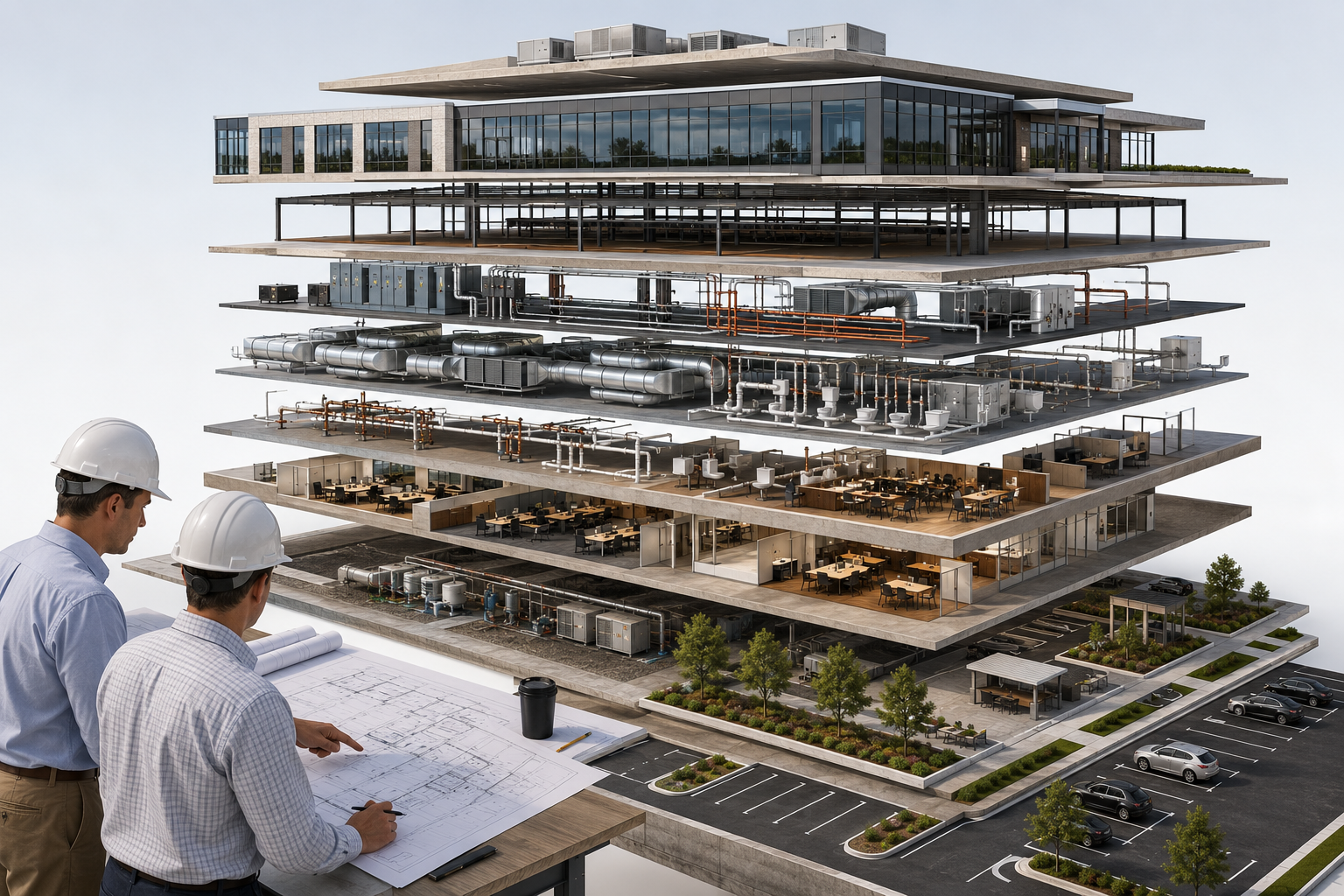
The building contains hundreds or even thousands of assets that support daily operations. Electrical systems, plumbing, mechanical equipment, land improvements, specialty infrastructure, tenant improvements, and operational assets all contribute to how the property performs.
This is where engineering becomes valuable. Cost segregation is not simply a depreciation exercise. It is an engineering process that identifies, documents, measures, and classifies the assets that make the business operate.
Instead of thinking, “I received a depreciation report,” the investor should think, “I now have an engineering inventory of my business assets.” That information remains valuable long after the tax return has been filed.
Managing the Business, Not Just the Building
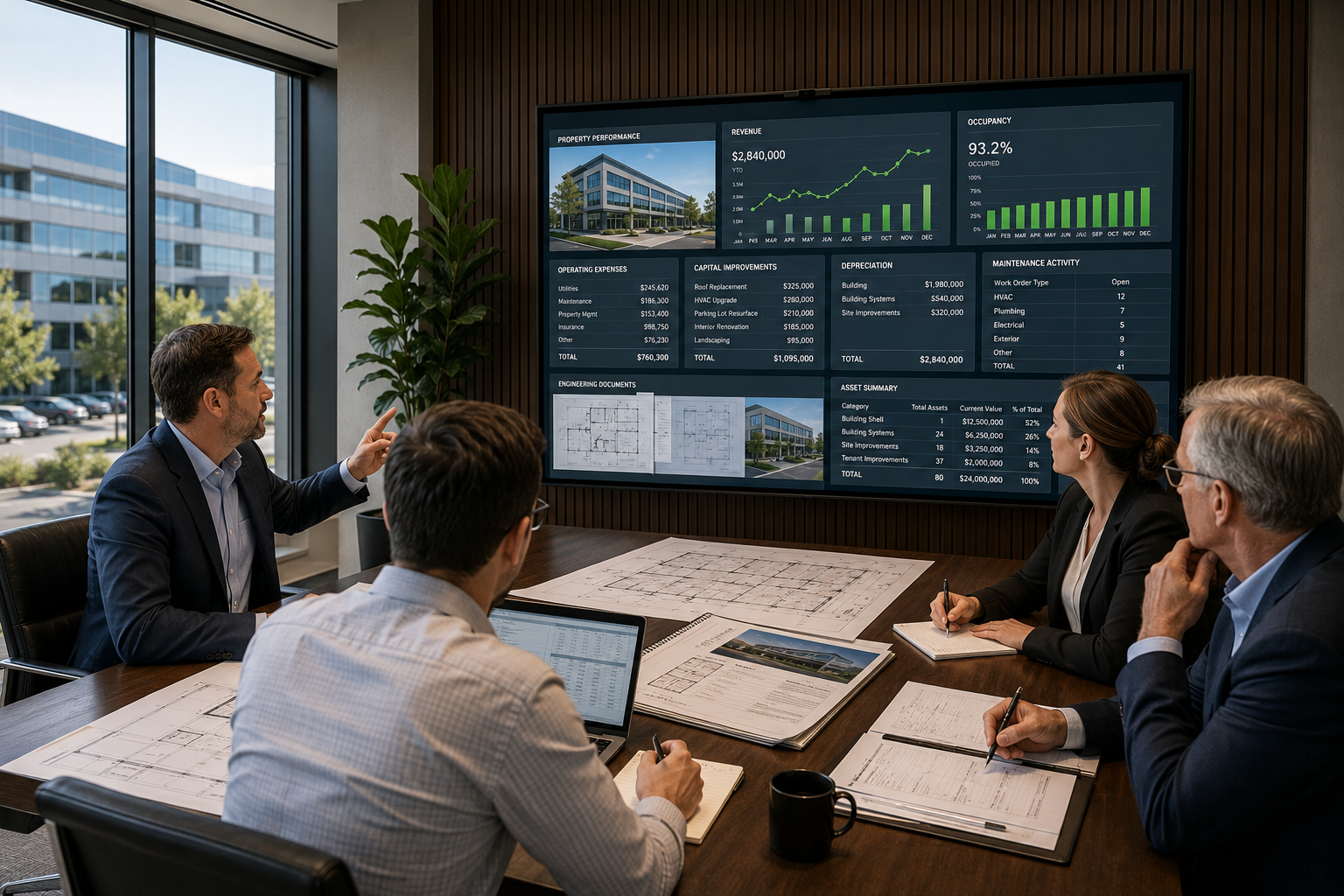
Revenue is only one side of successful ownership. Professional investors also focus on controlling expenses and planning for future investments.
That includes maintenance planning, utility efficiency, insurance costs, property taxes, capital reserves, tenant improvements, and long-term renovation planning.
Depreciation belongs in this conversation because it reflects how business assets are consumed over time. A quality cost segregation study helps identify those assets using engineering methodology rather than broad assumptions.
The result is a clearer picture of the property’s capital investment and more accurate depreciation records. Depreciation should not be viewed as a one-time tax event. It becomes part of the property’s long-term financial management.
Capital Improvements Never Stop
Many investors think ownership follows a simple path: purchase the property, complete a cost segregation study, and move on.
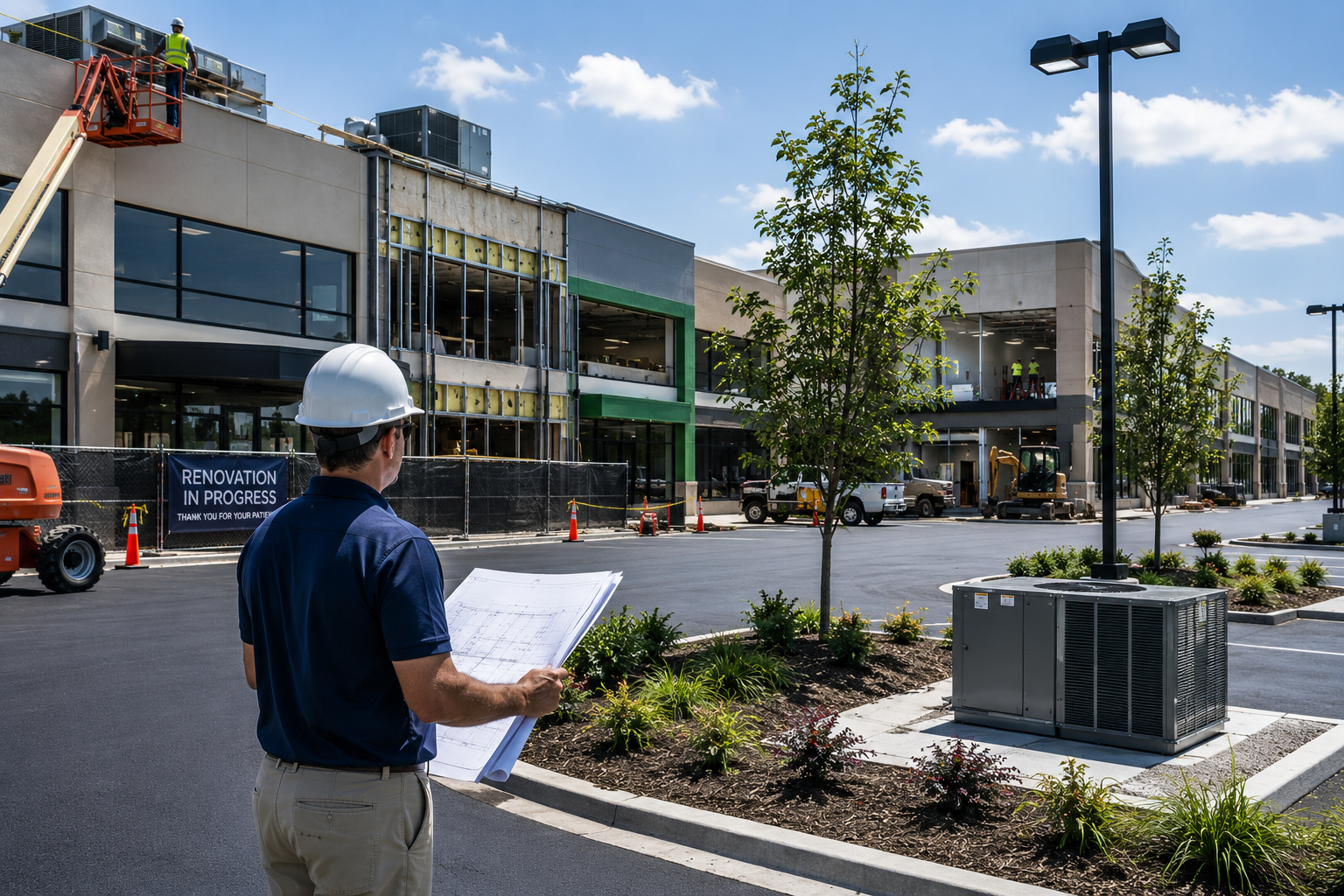
Real estate rarely works that way. Buildings constantly evolve. Parking lots are resurfaced, lighting systems are upgraded, tenant spaces are renovated, mechanical equipment is replaced, electrical systems expand, exterior improvements are added, and interior spaces are remodeled.
Every one of these projects becomes another chapter in the property’s capital history. Successful investors preserve that history because today’s project often influences tomorrow’s engineering review, future renovations, refinancing decisions, and eventual disposition.
The property should tell its own story through organized records.
CapEx Reporting Is the Property’s Memory
Think of CapEx reporting as the medical history of your investment. Every major improvement should answer the same questions: what changed, when it was completed, why it was installed, what it cost, what documentation exists, and how it should be depreciated.
Those answers become increasingly valuable every year the property is owned.
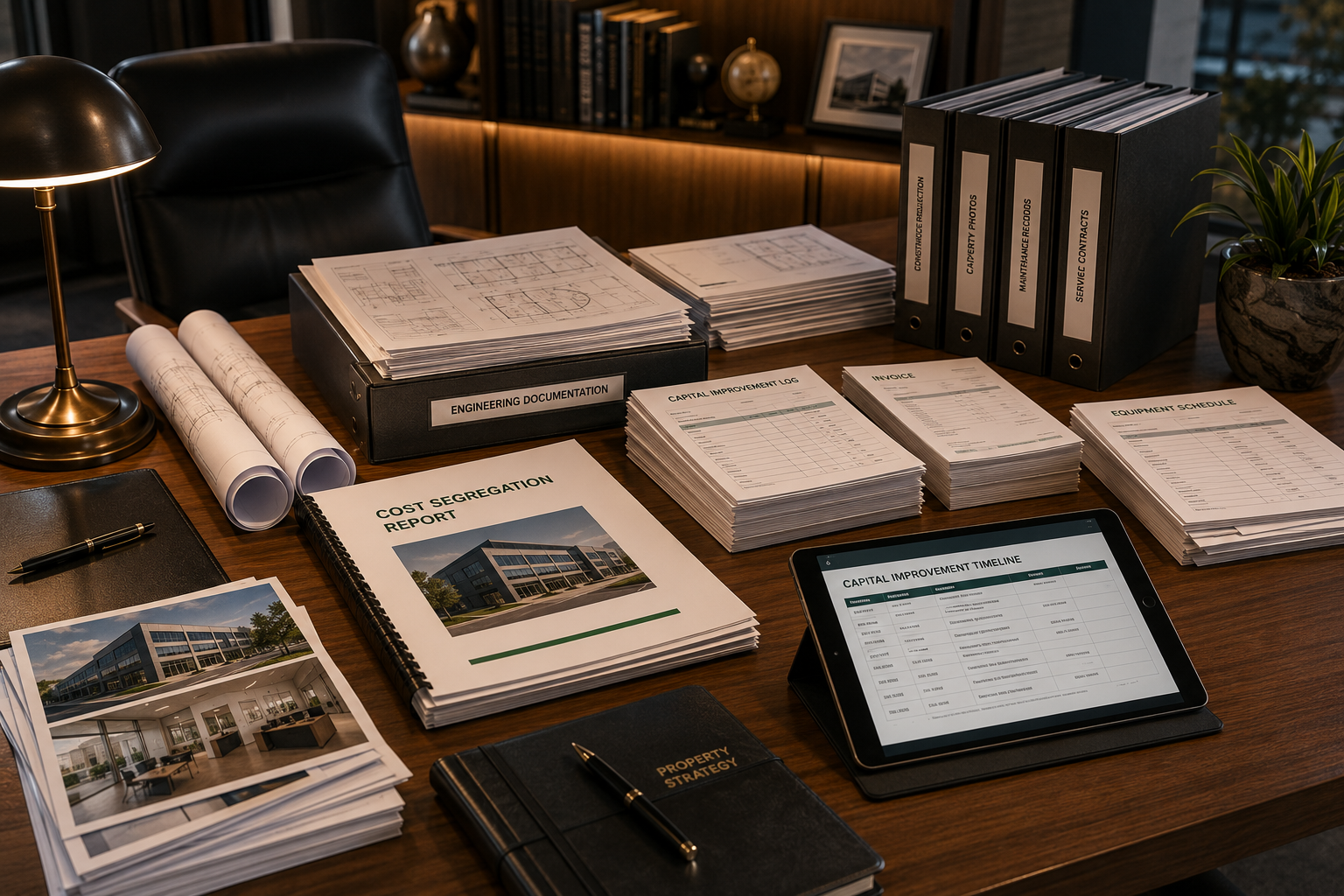
Construction drawings, invoices, photographs, equipment schedules, engineering reports, cost segregation studies, and capital improvement logs create a complete operating history of the property.
When documentation is preserved, future engineering studies become stronger, renovations become easier to plan, dispositions become cleaner, and tax reporting becomes easier to support.
Financial Example: Same Property. Two Different Owners.
Assume two investors each purchase the same $4,000,000 commercial property. Land is allocated at an estimated 20%, leaving a depreciable basis of $3,200,000.
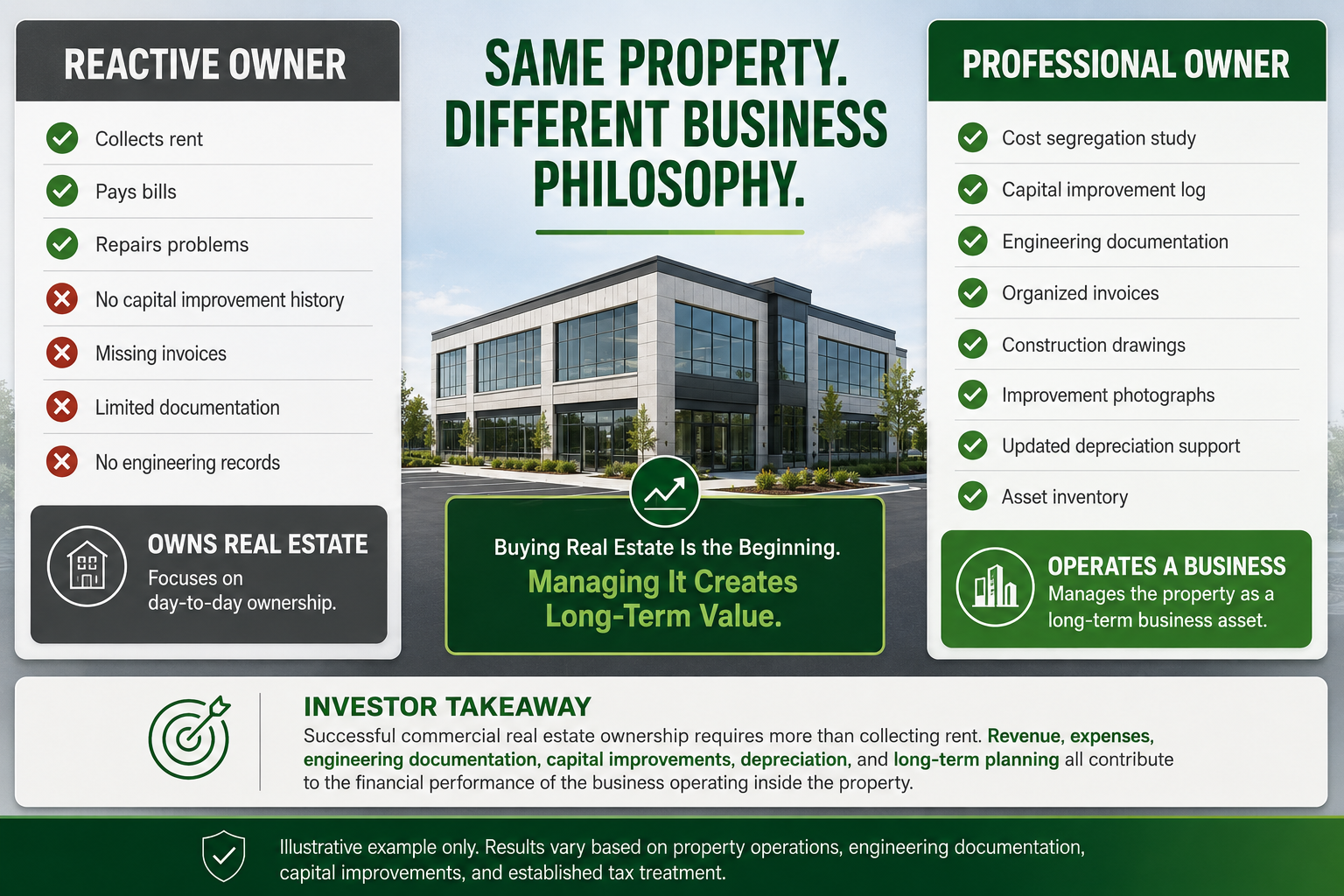
Investor A owns the property, collects rent, pays bills, and repairs problems as they occur. Five years later, improvement records are incomplete, vendor invoices are missing, no organized capital improvement history exists, and future engineering work requires rebuilding the property’s history.
Investor B owns the exact same property but manages it differently. They complete a cost segregation study, maintain a capital improvement log, preserve engineering documentation, keep construction drawings, store photographs of completed improvements, and track major projects as they occur.
Five years later, Investor B has an original engineering study, complete capital improvement history, organized CapEx records, construction documentation, vendor invoices, improvement photographs, updated depreciation support, and an organized engineering asset inventory.
Neither investor purchased a better building. Neither investor found a better location. Neither investor had better tenants. The difference was management.
One owned real estate. The other operated a business.
Professional Investors Build Better Businesses
Successful investors do more than collect rent. They manage assets, plan improvements, preserve documentation, understand depreciation, control operating costs, reinvest strategically, and think years ahead instead of one tax return at a time.
Cost segregation is one piece of that strategy, but it is not the entire strategy. It provides the engineering foundation that helps investors understand what they own, how those assets function, and how the property evolves over time.
The best-performing investment properties are rarely managed by accident. They are managed like successful businesses.
Do you have a question about Cost Segregation?
Let us know how we can help
Your information is secure. We only use your details to answer your direct inquiry.