

Removable Partition Walls: What King Radio Changed
Aug 13, 2026Commercial buildings evolve throughout their lives. Tenants expand, departments reorganize, and interior layouts change to meet new business needs. One feature that often makes these changes possible is the removable partition wall.
While these walls may appear to be ordinary building components, the landmark case King Radio Corp. v. United States demonstrated that appearance alone does not determine depreciation treatment. Instead, engineers must evaluate how an asset functions, how it is installed, and whether it serves the building itself or the business operating inside it.
Understanding this decision helps investors appreciate why engineering analysis remains the foundation of every quality cost segregation study.
Wondering how much tax you could save with cost segregation? Let’s find out. Schedule a Cost Segregation Strategy Call today.
Key Takeaways
- Why the King Radio decision still matters today
- How engineers evaluate removable partition walls
- Why function matters more than attachment
- Where removable partitions appear in commercial properties
- Documentation that strengthens engineering conclusions
- An illustrative ownership example
- The lasting lesson from King Radio
What Is the King Radio Decision?
King Radio Corp. v. United States examined whether removable partition walls should be treated as part of the building or as tangible personal property.
The court looked beyond the fact that the partitions were attached to the structure. Instead, it considered whether they were intended to provide the permanent function of the building or whether they primarily served the operational needs of the business occupying the space.
That distinction continues to influence engineering-based cost segregation today. Engineers classify individual assets based on function, installation, permanence, and supporting documentation rather than assigning depreciation treatment simply because an item is attached to a building. This same engineering mindset is discussed in our article on the engineering cost segregation process.

How Engineers Evaluate Removable Partition Walls
Modern engineering analysis asks several questions before determining the proper classification.
Is the wall intended to remain permanently as part of the building?
Can it be removed and reconfigured without significant damage?
Does it primarily support the building itself or the business operating within the space?
Was it designed to allow future changes in occupancy or workflow?
These questions reflect the engineering-first philosophy behind quality cost segregation studies. Rather than searching for favorable tax treatment, engineers document how an asset actually functions before applying established legal authority and depreciation rules.

Why Function Matters More Than Attachment
Many investors assume anything attached to a building automatically belongs in 39-year nonresidential real property.
King Radio demonstrated that this assumption can be misleading.
Attachment is only one fact among many. Engineering analysis considers removability, intended permanence, business function, and the overall relationship between the asset and the building.
This same functional approach is central to understanding what makes an asset §1245 property, where engineers evaluate each asset independently rather than relying on construction trade or appearance.
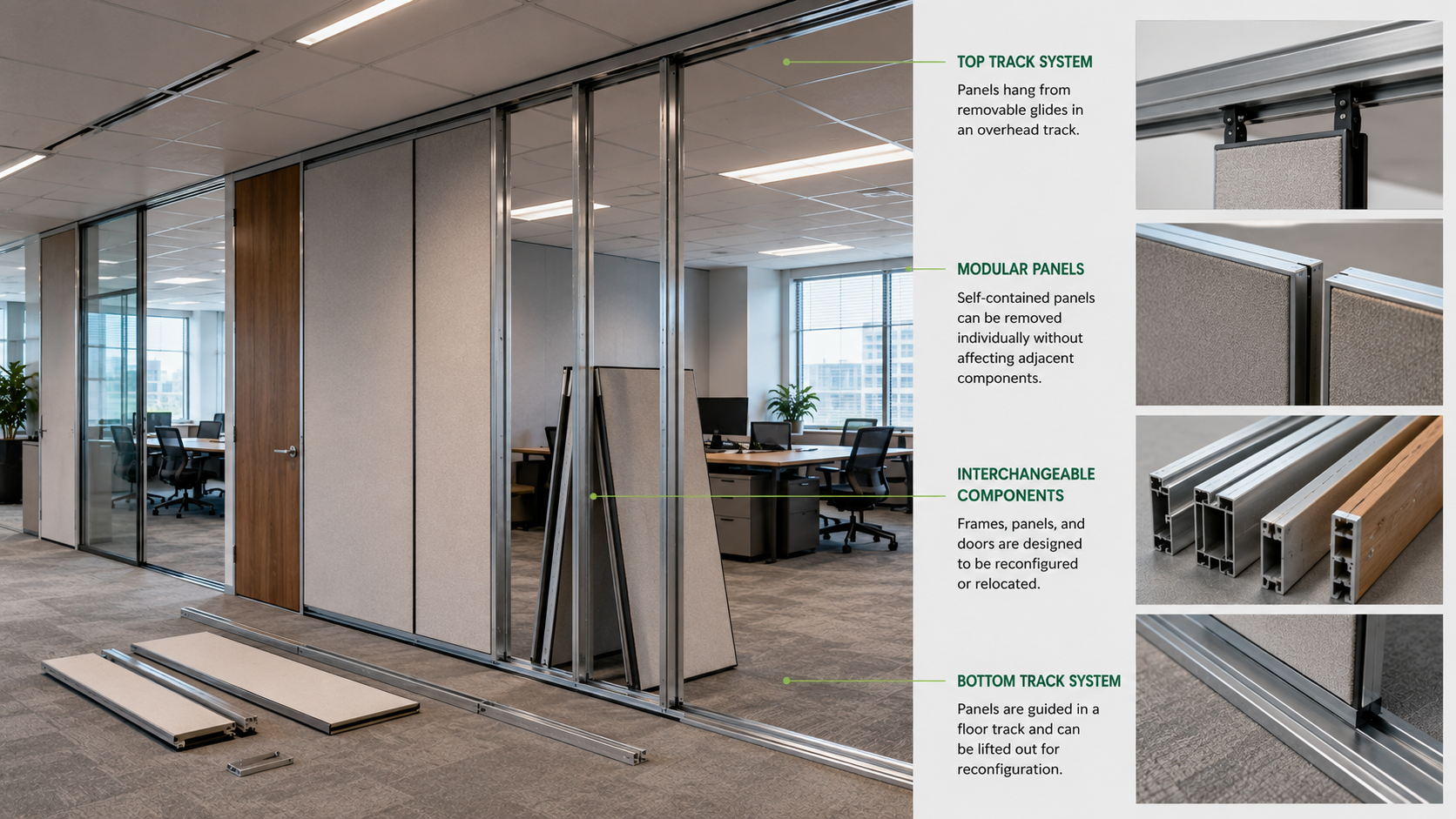
Where This Issue Appears Today
Removable partition systems continue to be used across commercial real estate, including:
- Corporate offices
- Medical office buildings
- Technology campuses
- Educational facilities
- Research laboratories
- Flexible coworking environments
Not every partition system receives the same treatment. Engineering conclusions always depend on the property's facts, installation methods, documentation, and intended use.
The lesson from King Radio is not that removable walls automatically qualify for 5-year property. The lesson is that every asset deserves an independent engineering evaluation.

Better Documentation Produces Better Engineering
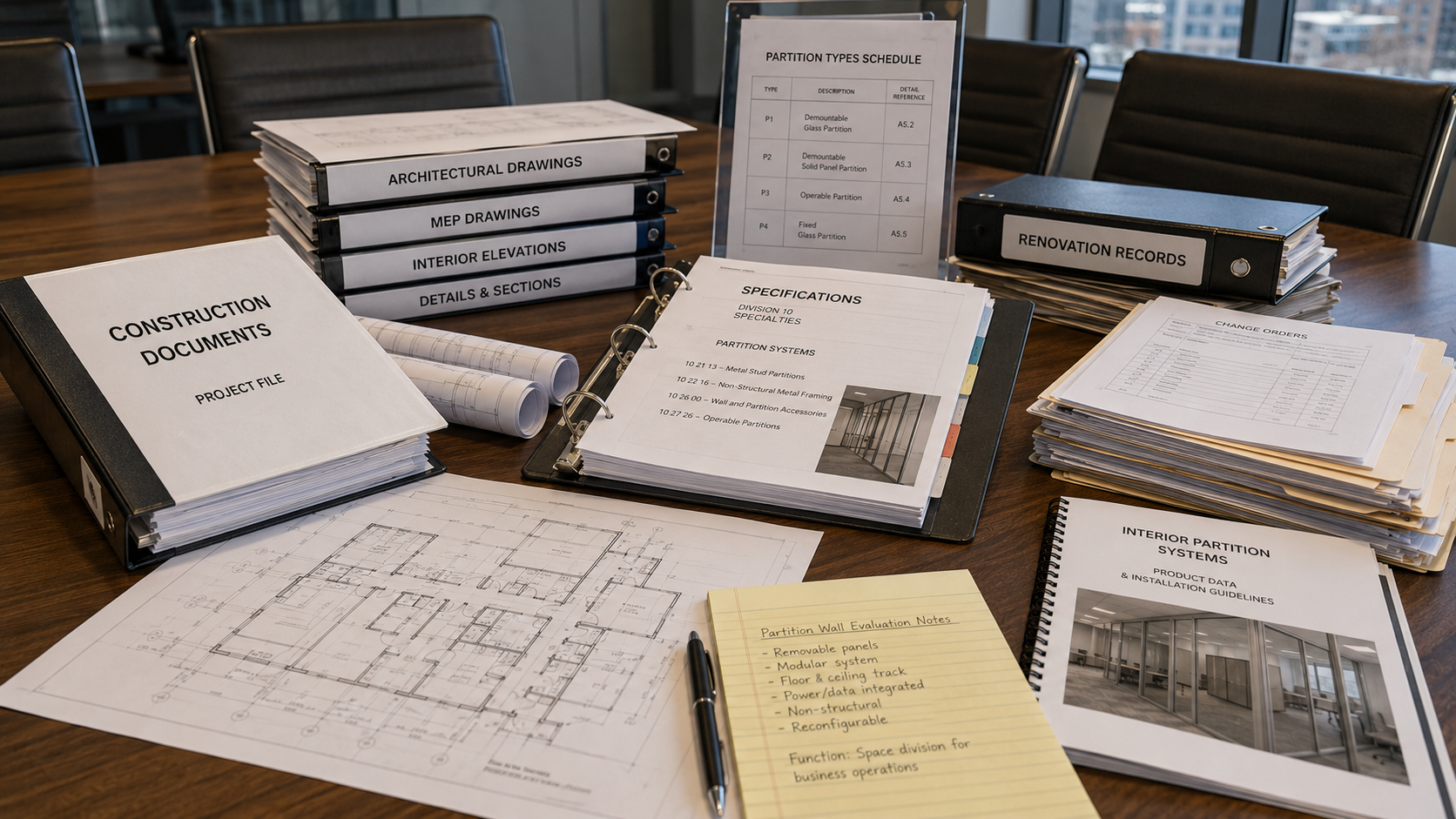
Property owners can improve future engineering analyses by maintaining documentation throughout ownership.
Helpful records include:
- Construction drawings
- Product specifications
- Manufacturer installation details
- Renovation records
- Tenant improvement documentation
- Building photographs
- Capital improvement records
A quality engineering study combines these records with site observations and legal analysis to produce supportable conclusions. Investors interested in long-term compliance should also understand the elements of a quality cost segregation study.
Example
Illustrative example only. Figures shown are estimated for demonstrative purposes only. Actual land allocations, asset classifications, depreciation, and tax results depend on the specific property, supporting documentation, engineering analysis, and taxpayer circumstances.
Two investors purchase nearly identical office buildings.
Investor A retains complete construction documentation showing removable partition systems designed for continual tenant reconfiguration.
Investor B has limited documentation and cannot demonstrate how the partitions were designed or intended to function.
Although the buildings appear nearly identical, the engineering conclusions may differ because available documentation directly affects the ability to support asset classifications.
The lesson is not about achieving a predetermined depreciation outcome. It is about preserving the engineering evidence that supports accurate classification.

The Lasting Lesson from King Radio
The lasting importance of King Radio Corp. v. United States is not simply its discussion of removable partition walls.
It established an engineering principle that remains relevant decades later: assets should be evaluated individually, based on their function, permanence, and relationship to business operations.
That principle continues to guide engineering-based cost segregation today. Buildings may contain thousands of individual assets, and every one of them tells its own story. The engineer's responsibility is to understand that story before determining the appropriate depreciation classification.
Do you have a question about Cost Segregation?
Let us know how we can help
Your information is secure. We only use your details to answer your direct inquiry.