

When Is the Best Time to Perform a Cost Segregation Study?
Mar 10, 2026One of the most common questions real estate investors ask is when the best time is to perform a cost segregation study. While many assume the study must be completed immediately after purchasing a property, the reality is more flexible. Cost segregation can often be performed years after acquisition while still allowing property owners to capture missed depreciation benefits.
Key Takeaways
- The ideal time for a cost segregation study is during the first year of ownership
- Studies can still be performed years later using Section 481(a) adjustments
- Renovations can create opportunities to reclassify assets and accelerate depreciation
- Investors often prioritize studies across their property portfolios
- Earlier studies typically produce stronger cash flow benefits
The Ideal Time to Perform a Cost Segregation Study

The most efficient time to complete a cost segregation study is during the first year a property is placed in service. Performing the study early allows investors to accelerate depreciation immediately and maximize early-year tax deductions.
When the study is completed during the acquisition year, depreciation schedules can be structured correctly from the start. This eliminates the need for future adjustments and simplifies tax reporting.
Performing a Study After Purchase
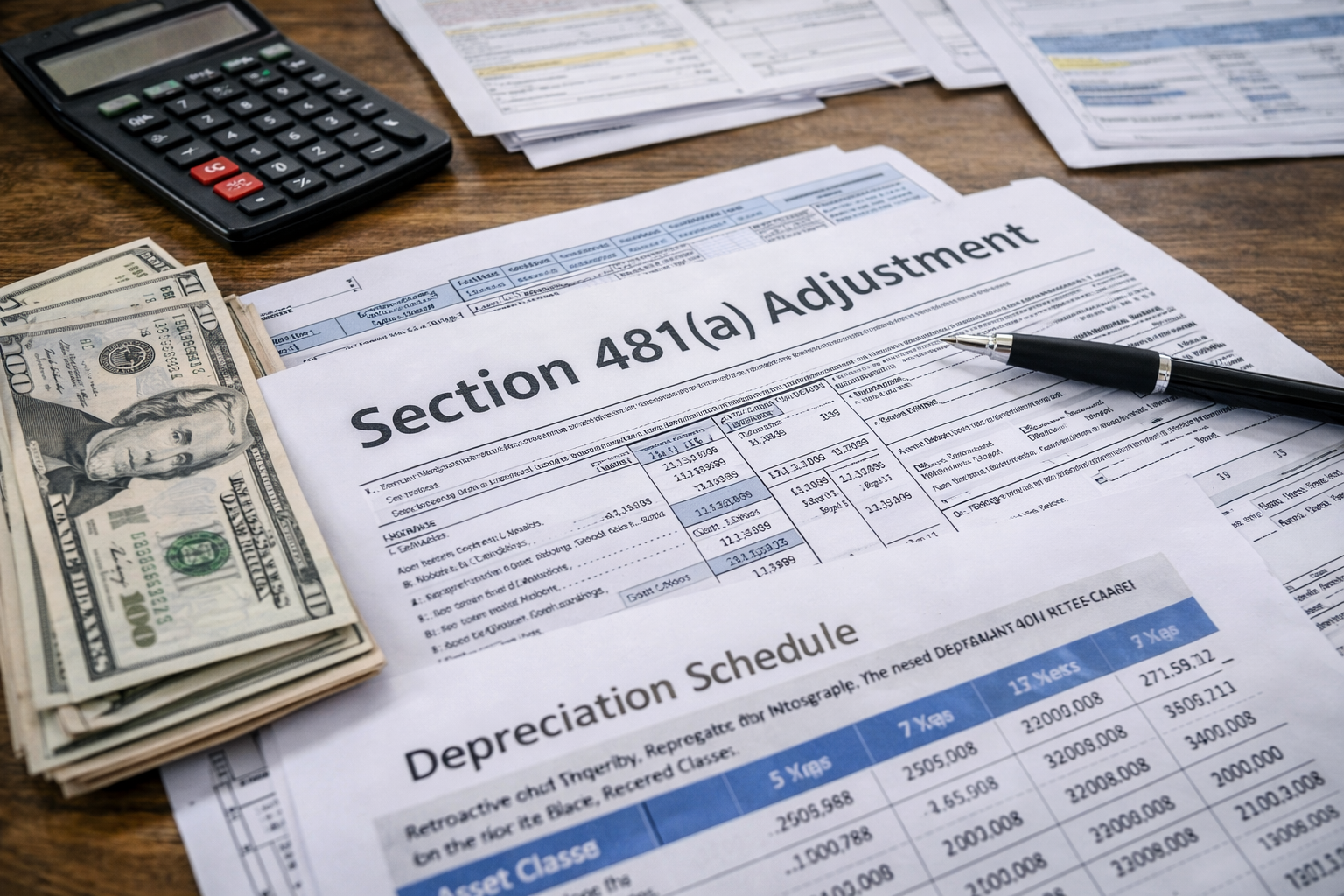
Many investors discover cost segregation after they have already owned a property for several years. Fortunately, the IRS allows property owners to “catch up” missed depreciation through a process called a Section 481(a) adjustment.
This adjustment allows the remaining depreciation benefits to be recognized in the current tax year without amending prior returns. In many cases, this creates a large one-time deduction that reflects depreciation that should have been taken in earlier years.
Cost Segregation After Renovations

Another strategic time to perform a study is after completing major property renovations or improvements. Renovation projects often introduce new assets that may qualify for shorter recovery periods or allow owners to reclassify certain building components.
Interior upgrades such as flooring, lighting, cabinetry, and other improvements may be evaluated to determine whether they qualify for shorter recovery periods under cost segregation. Planning renovations strategically can significantly improve depreciation timing. We explain this concept further in our articles on smart tax planning for residential property renovations and smart tax planning for commercial property renovations.
As Your Portfolio Grows

Many experienced investors perform cost segregation studies strategically across multiple properties. As portfolios expand, owners may choose to prioritize studies on properties with the greatest potential tax impact.
Factors that influence timing often include property value, renovation activity, financing structure, and overall tax strategy.
Why Timing Still Matters
Although cost segregation can be applied retroactively, performing the study earlier generally produces stronger cash flow benefits. Accelerating depreciation sooner allows investors to reinvest tax savings into additional acquisitions, improvements, or debt reduction.
For many property owners, cost segregation becomes part of a broader strategy to improve capital efficiency while maintaining compliance with IRS guidance.