

Smart Tax Planning for Commercial Property Renovations
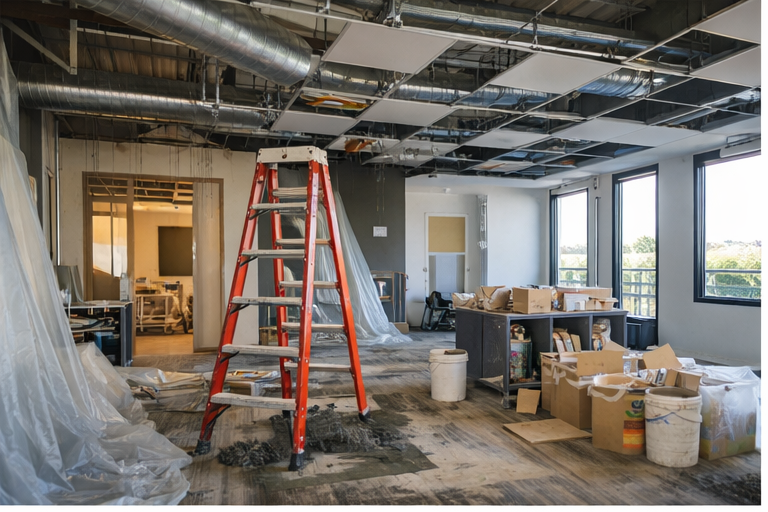
Mar 05, 2026Commercial property renovations are often driven by tenant improvements, repositioning strategies, or operational upgrades. Whether the property is an office building, retail center, industrial facility, or mixed-use development, renovation decisions impact more than aesthetics and functionality. They also impact depreciation timing and cash flow.
Default Commercial Depreciation Treatment
By default, most commercial building improvements are depreciated over 39 years. Interior upgrades such as flooring, lighting systems, electrical modifications, HVAC components, plumbing, and build-outs are typically grouped into long-life real property if no further analysis is performed.
While this treatment is standard, it may not reflect how individual components actually function within the building.
How Cost Segregation Changes the Analysis
Cost segregation evaluates renovation costs by examining how specific components operate within the property. Certain elements may qualify for shorter recovery periods when properly identified and documented.
Assets that function more like equipment than structure may qualify for treatment similar to 5-year property or 15-year property, accelerating depreciation compared to the standard 39-year schedule.

Tenant Improvements and Build-Outs
Commercial renovations frequently occur during tenant build-outs or lease turnovers. Items such as specialty electrical systems, dedicated plumbing, decorative lighting, partition walls, and certain finish components may qualify for shorter recovery periods depending on function and documentation.
Aligning renovation activity with a cost segregation strategy allows property owners to recover a portion of those costs earlier in the ownership cycle.

The Role of Bonus Depreciation
If eligible, bonus depreciation may further accelerate deductions for assets assigned to shorter recovery periods. When combined with cost segregation, this strategy can significantly improve near-term cash flow.
We explain this interaction in more detail in our Bonus Depreciation guide.

The Strategic Outcome
Renovating a commercial property is not just an operational decision. It is also a tax planning opportunity. With proper analysis and documentation, cost segregation allows commercial property owners to improve depreciation timing while remaining aligned with IRS guidance.
Key Takeaways
- Commercial renovations typically default to 39-year depreciation
- Cost segregation identifies components with shorter recovery periods
- Tenant build-outs may contain qualifying assets
- Bonus depreciation may accelerate cost recovery further
- Strategic renovation planning improves early-year cash flow
Do you have a question about Cost Segregation?
Let us know how we can help
Your information is secure. We only use your details to answer your direct inquiry.