
What Is 15-Year Property in Cost Segregation?
Feb 25, 2026When people hear about 15-year property in a cost segregation study, it usually raises the question, “How is this different from the building itself?” The short answer is that 15-year property includes certain site and exterior improvements that wear out faster than the building but last longer than interior equipment. These assets qualify for accelerated depreciation compared to standard real property.
What Qualifies as 15-Year Property?
15-year property typically relates to improvements made outside the building or directly tied to how the site functions. These assets support access, drainage, and use of the property, but they are not part of the building’s core structure. Because of their nature and useful life, the IRS allows them to be depreciated over a shorter period when properly identified.
This category is different from 5-year property, which is generally tied to shorter-life personal property inside the building.
Common Examples of 15-Year Property
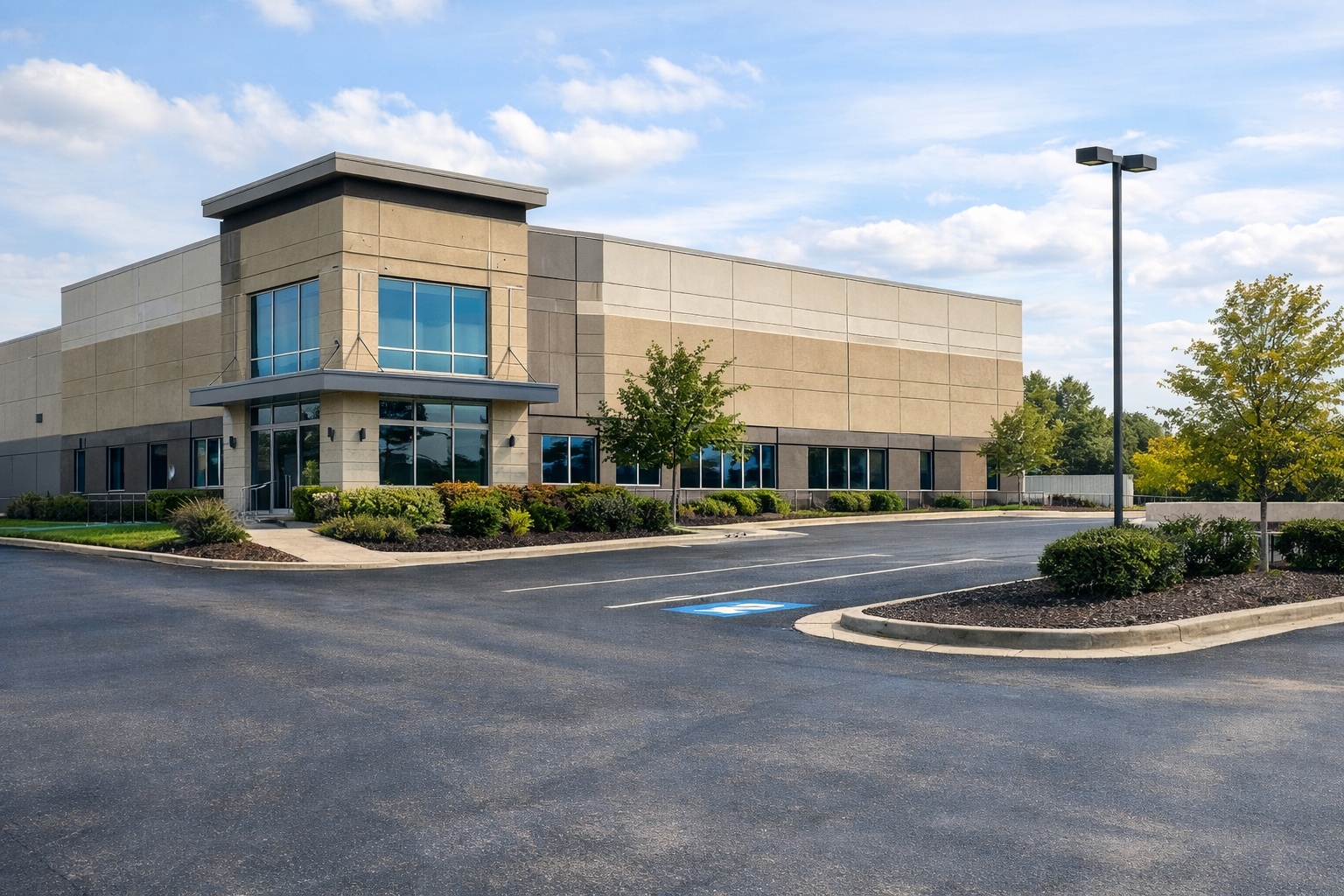
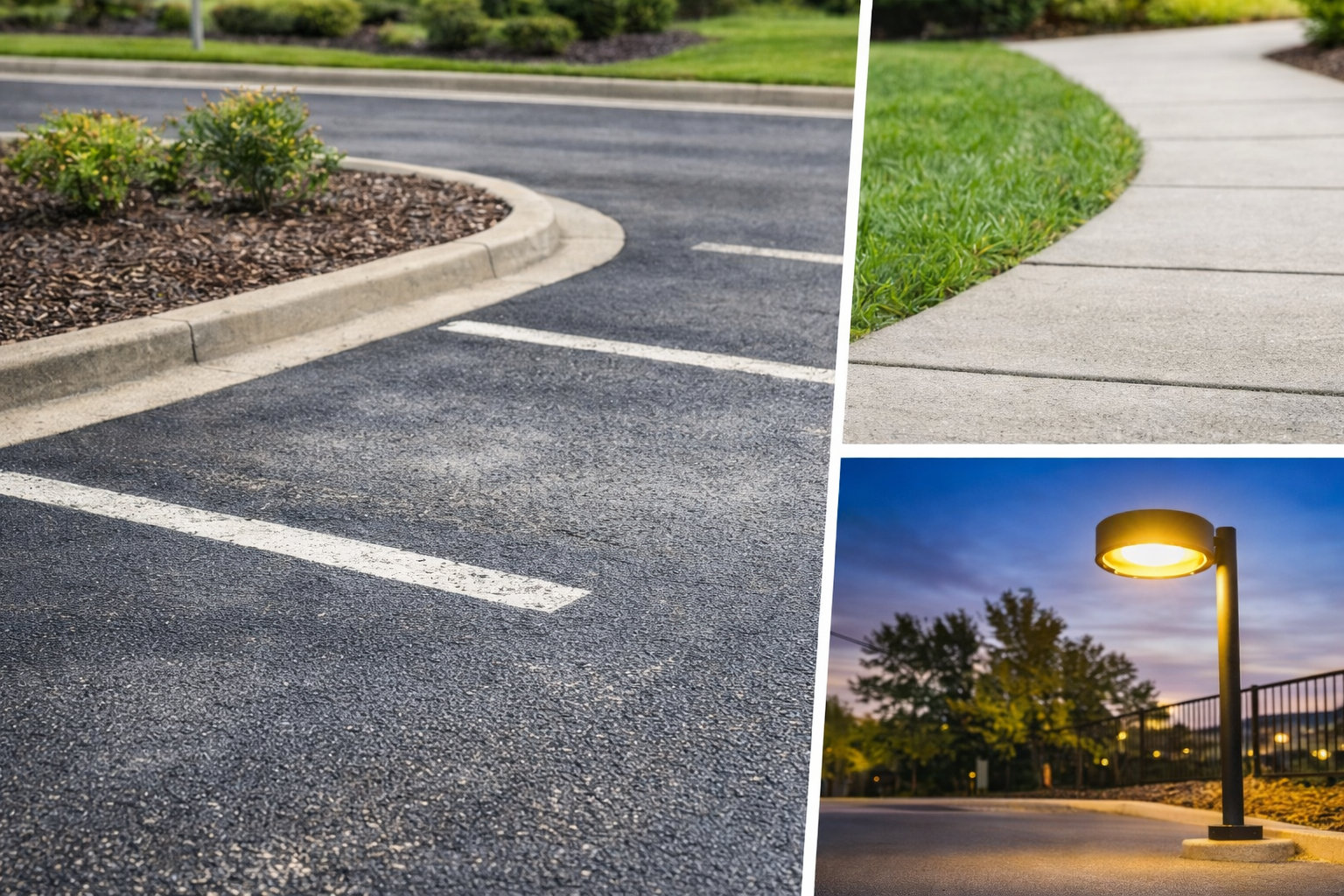
Examples of 15-year property often include items such as parking lots, sidewalks, curbing, fencing, site lighting, and certain landscaping features. These are improvements that experience regular wear and exposure to the elements, which is why they do not follow the same depreciation timeline as the building itself.
Why This Matters to Property Owners
Reclassifying eligible site improvements into 15-year property accelerates depreciation and increases deductions earlier in the ownership period. This improves near-term cash flow without changing how the property is operated or used. For many properties, exterior improvements represent a meaningful portion of total project costs that are often overlooked.
If you are also using bonus depreciation, qualifying 15-year assets may create even stronger first-year deduction opportunities depending on current rules and eligibility.

IRS Documentation Requirements
The IRS Cost Segregation Audit Technique Guide explains that land improvements must be clearly identified and supported by documentation to qualify for shorter recovery periods. Proper classification depends on how the asset functions, where it is located, and whether it serves the building or the land independently. Clear documentation helps support the depreciation position if questions arise later.

Key Takeaways
- 15-year property includes qualifying site and exterior improvements
- Common examples include paving, sidewalks, and site lighting
- Accelerated depreciation can improve near-term cash flow
- Proper documentation supports IRS compliance
Do you have a question about Cost Segregation?
Let us know how we can help
Your information is secure. We only use your details to answer your direct inquiry.